Have you ever shown your ID to buy alcohol, only to realize you've just shared your home address, full birthdate, and ID number with a complete stranger? This everyday oversharing is more than just inconvenient — it's a symptom of a much larger problem in how identity is verified around the world.
From bouncers to hotel clerks to potential employers, people routinely receive more personal information than they actually need. This "all-or-nothing" approach to identity affects billions of people every day.
The solution? A Digital ID wallet that lets you share only what's necessary — nothing more.
The Digital ID Revolution: From Estonia to Taiwan
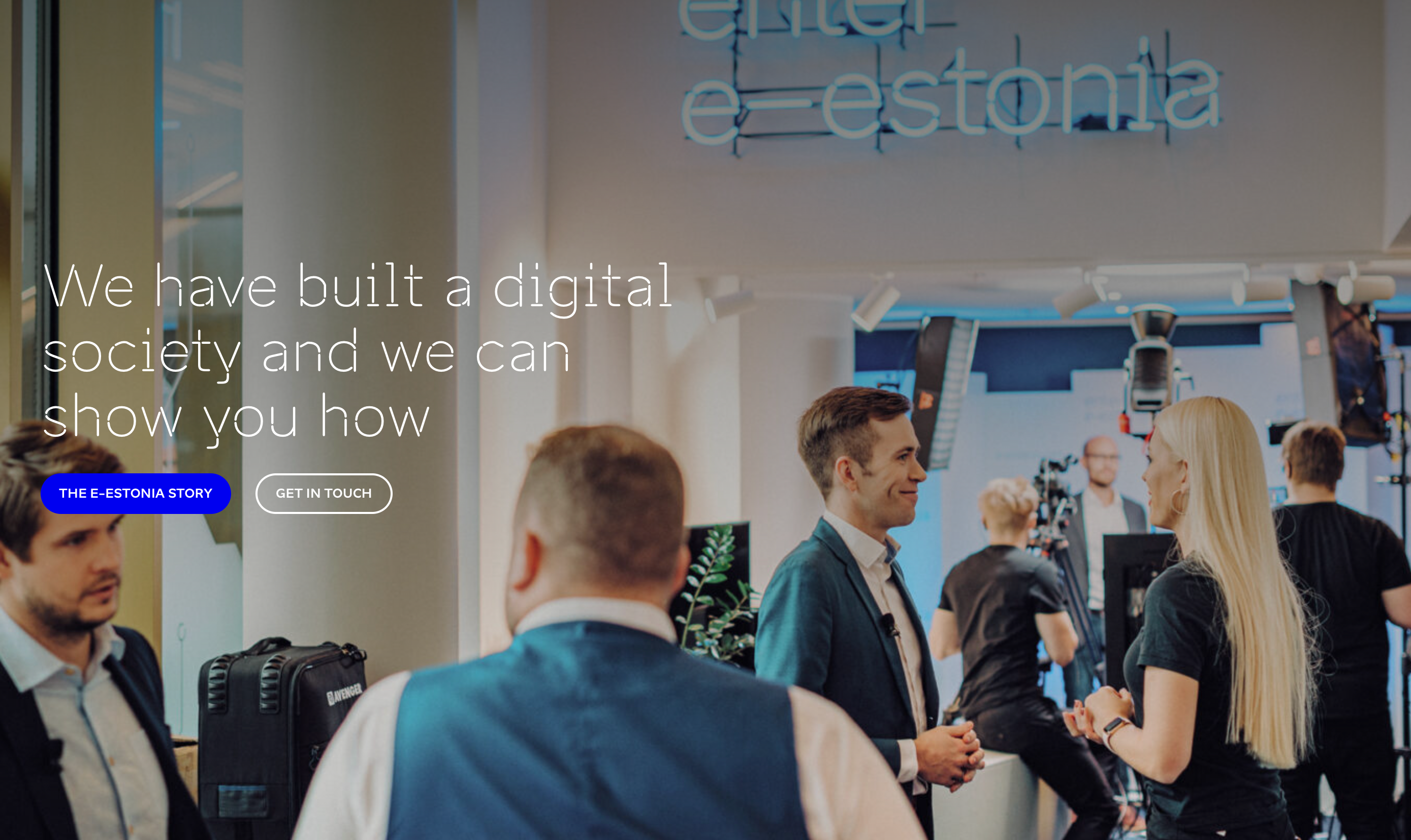
Following early national ID efforts by South Africa in 1999 and Malaysia in 2001, Estonia launched its e-ID system in 2002. It quickly became the backbone of a fully integrated digital society. Estonians use digital identification daily to:
- Vote online
- Sign legally-binding contracts
- Access health records
- Handle banking securely
- Interact with government services
This system saves each Estonian approximately five workdays annually through digital signatures alone. Along the way, more countries have joined this movement with varying levels of integration — some focusing on secure access, others pursuing full-service ecosystems. Now, Taiwan is building on this foundation with modern privacy-first design and open development practices.
Taiwan's Approach: Privacy and Openness at the Core
As more countries adopt digital identity systems — from the Netherlands and the UK to China — the global momentum is clear. But the quality and intent behind these systems vary widely. Some prioritize efficiency, others risk overreach.
Take China's RealDID, for example — a blockchain-based system designed for secure logins and anonymized verification. It illustrates one possible path forward, but not necessarily one grounded in transparency or user control. Meanwhile, data from the Digital Public Infrastructure Map shows that 164 countries claim to have some form of digital ID, yet only 57 have fully operational systems spanning multiple sectors.
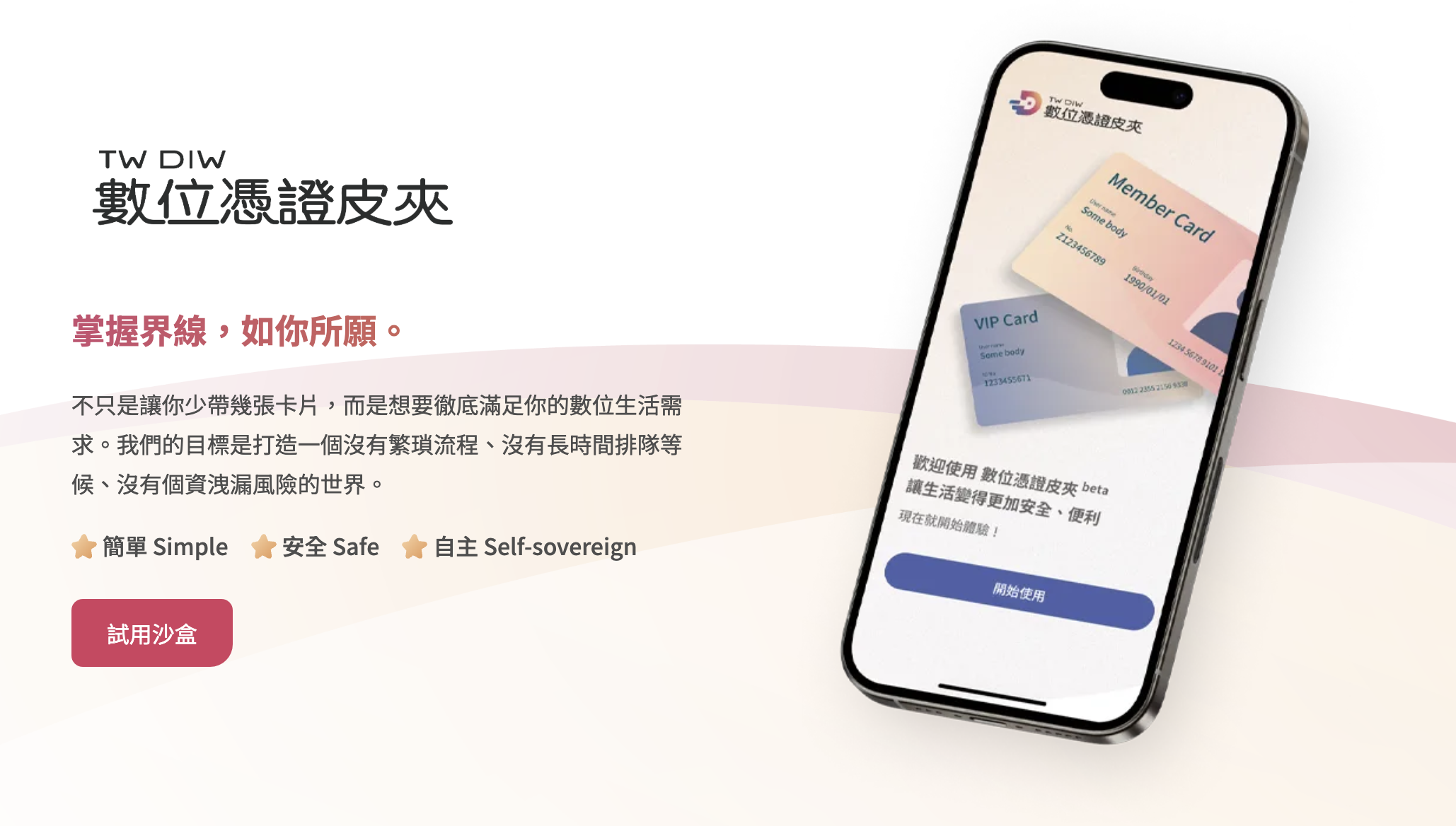
Taiwan is taking a different path. In March 2025, the Ministry of Digital Affairs (MODA) introduced the Taiwan Digital Identity Wallet (TW DIW), launching a sandbox to test it in the real world.
Rather than a national ID system, TW DIW is a user-facing application built to manage and share verifiable credentials. It's designed to give people more control over their data, helping them prove just what's needed — no more, no less.
Taiwan's approach stands out for its focus on three core principles:
- Privacy as a design foundation, not an afterthought
- Interoperability with international standards
- Open development through public testing and feedback
This vision is rooted in the concept of Self-Sovereign Identity (SSI) — a model for identity that puts individuals at the center. It's based on four key principles:
- User Control: Individuals own and control their identity
- Selective Disclosure: Share only specific information (e.g., prove you're over 18 without revealing your birthdate)
- Verifiable Credentials: Tamper-proof documents with cryptographic verification
- Privacy by Design: A system that minimizes unnecessary data sharing at every layer
Real-World Applications Being Explored
Taiwan's sandbox program invites developers and early adopters to test use cases that could transform daily interactions:
- One-Click Age Verification: Prove legal age for purchases without oversharing
- Simplified Healthcare: Share relevant medical records while protecting sensitive data
- Credential Portability: Reuse verified educational qualifications without re-verifying
- Verified Membership Access: Use a verified digital identity to enable business or personal memberships — accessed via a simple QR code scan, similar to NFT-based gatekeeping systems
- Financial Inclusion: Enable access to banking and financial services using portable, privacy-preserving ID credentials
These real-world experiments showcase how digital identity can extend beyond public services into commerce, entertainment, education, and more — setting the stage for more secure and user-controlled interactions across sectors.
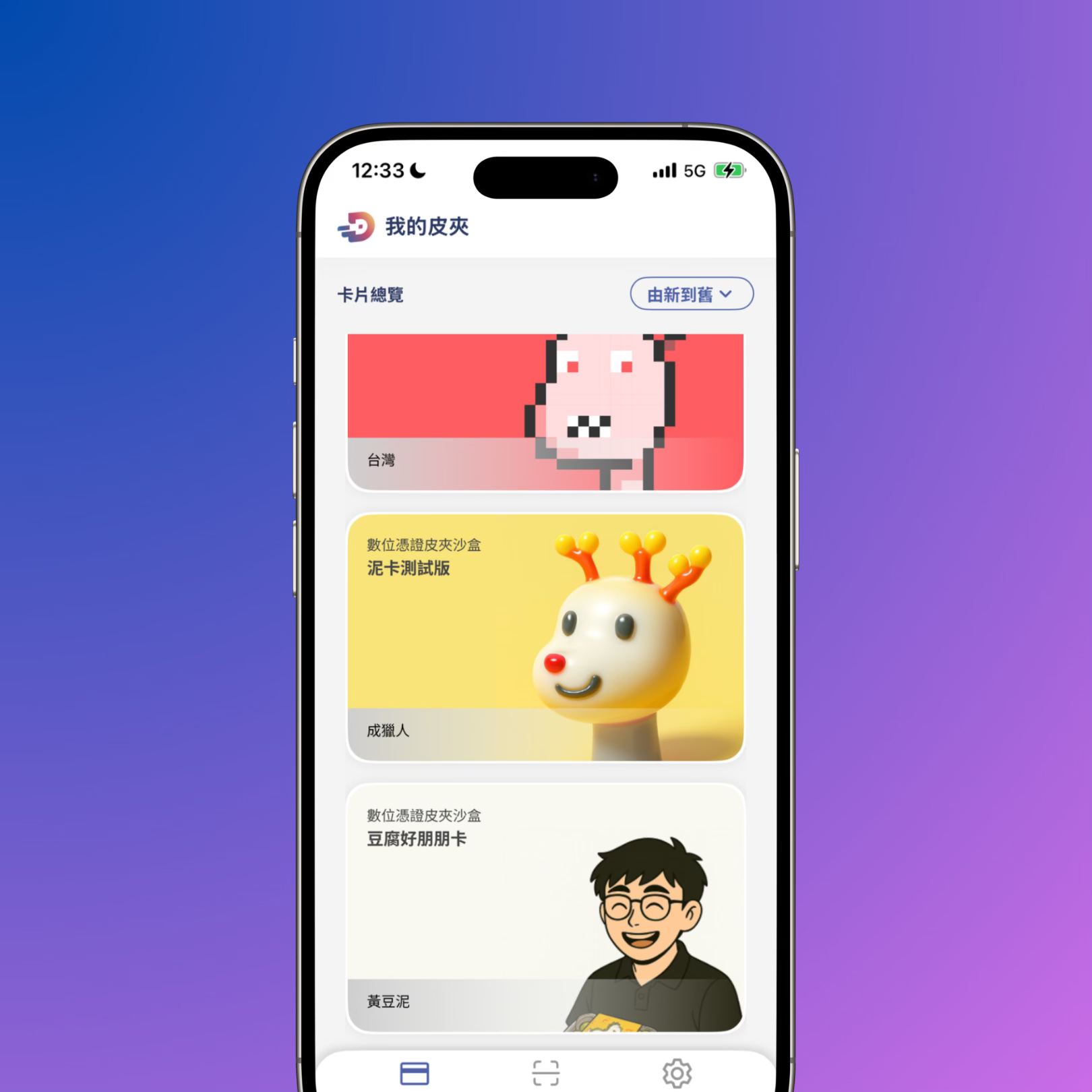
The no-code experience enables everyone to test and issue their own card. Everyone can set a rule to issue their card and use it as a credential for their own applications and scenarios.
The Broader Context: Where Blockchain Fits In
While Taiwan's Digital Identity Wallet does not currently integrate blockchain or zero-knowledge proofs, MODA has demonstrated interest in decentralized technologies in other initiatives — including corporate identity verification using public blockchains.
Globally, blockchain is being explored as a foundational layer for privacy-first identity systems:
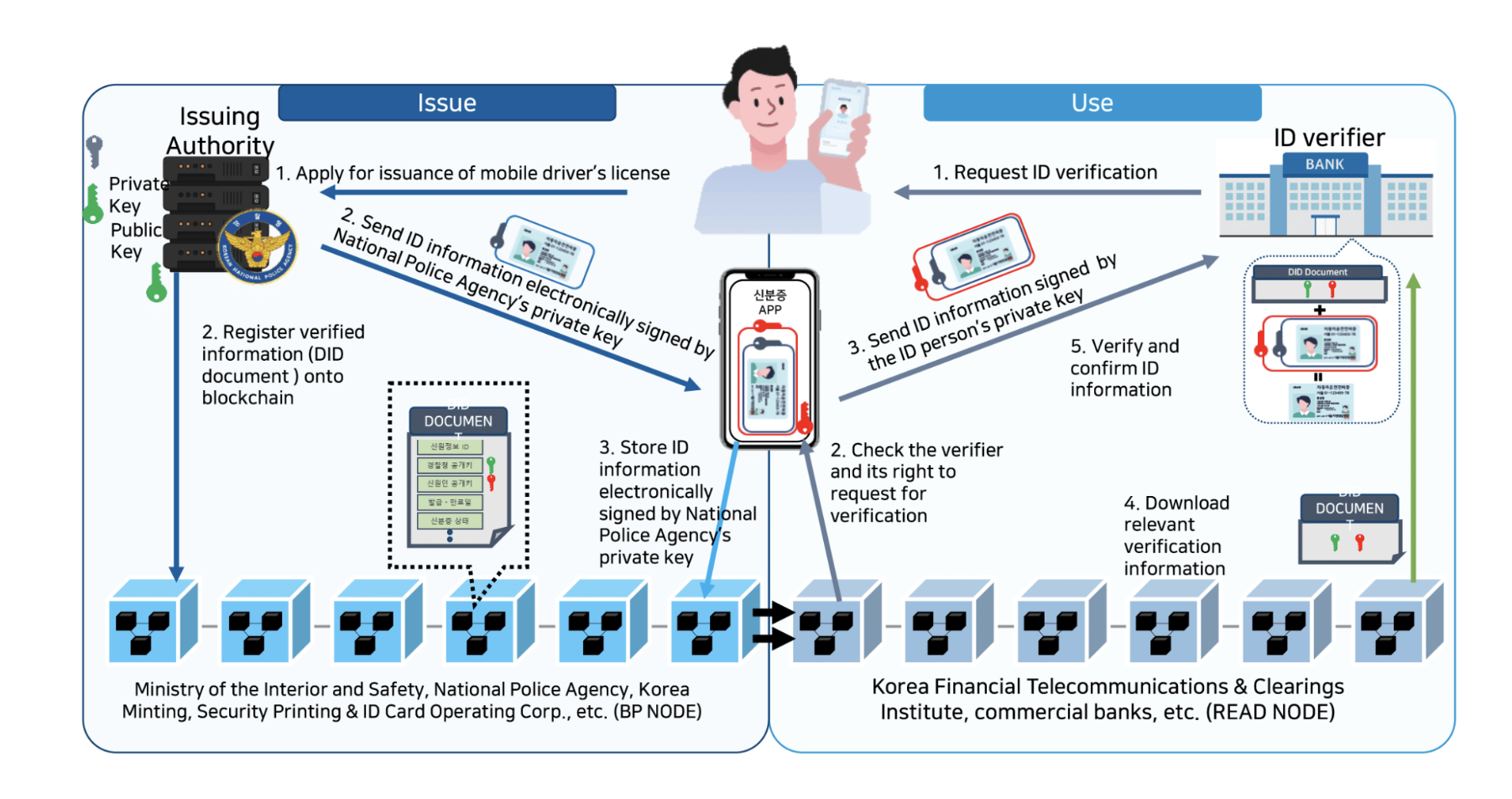
- South Korea: Digital residence cards use encryption and blockchain for identity verification
- Estonia: The e-Residency program integrates the KSI blockchain to secure digital services
- Ethiopia: Educational credentials are verified via blockchain to increase access and transparency
These examples showcase the potential of decentralized technology to support verifiable, tamper-proof, and portable identity.
What This Means for the Future
As Taiwan develops its Digital Credential Wallet, we're seeing a glimpse of a future where:
- Privacy becomes the default, not an afterthought
- Identity verification happens instantly without physical documents
- Cross-border services become simpler to access
- Data minimization becomes standard practice across sectors
For businesses, this evolution means faster customer onboarding, lower compliance costs, and greater trust — all while strengthening privacy safeguards.
Taiwan's initiative reflects a global shift toward user-controlled identity systems. By fostering innovation through its open sandbox approach, Taiwan is positioning itself at the forefront of digital transformation.
As Estonia showed two decades ago and Taiwan is demonstrating today, thoughtful digital architecture can transform complex challenges into practical, user-friendly solutions that respect both privacy and usability.