
Insights
Weekly digest · Week of Jun 29, 2026

$2, $10, and a free frontier model

Sonnet 5 opened at $2 and $10 a million tokens and Meituan gave away a 1.6-trillion-parameter coder. In Arkansas, cameras that spray only weeds saved $30 an acre.

Economics
Rows of servers in a data center, the compute that model pricing rides on.
Victor Grigas / Wikimedia Commons · CC BY-SA 3.0

The floor is poured from both directions

Two dollars and ten dollars. That is what a million input and output tokens on Claude Sonnet 5 cost this week, roughly a third below its own standard list price that starts in September. On the same days, Meituan released LongCat-2.0, a 1.6-trillion-parameter model under an MIT license that edges GPT-5.5 on a coding benchmark and costs nothing to license. The floor under applied AI is being poured from both directions at once.

Here is the mechanic. Intro pricing buys adoption before switching costs exist: land a workload on Sonnet 5 at $2/$10 now, and the $3/$15 standard later meets a customer who has already built around it. Open weights attack from below, resetting what a buyer will pay a closed lab once a free model does the job well enough.

For an operator the spread is the whole story. Our support-assistant workload runs from $113 a month on open-weights APIs to $1,900 on frontier models, a 17x range for the same 100k messages. That gap is not a price to accept. It is a design decision, and this week both ends of it moved.

Metric move

Support-assistant workload holds a 17x spread: $113/mo open-weights floor to $1,900/mo frontier ceiling for 100k messages.
Spotlight
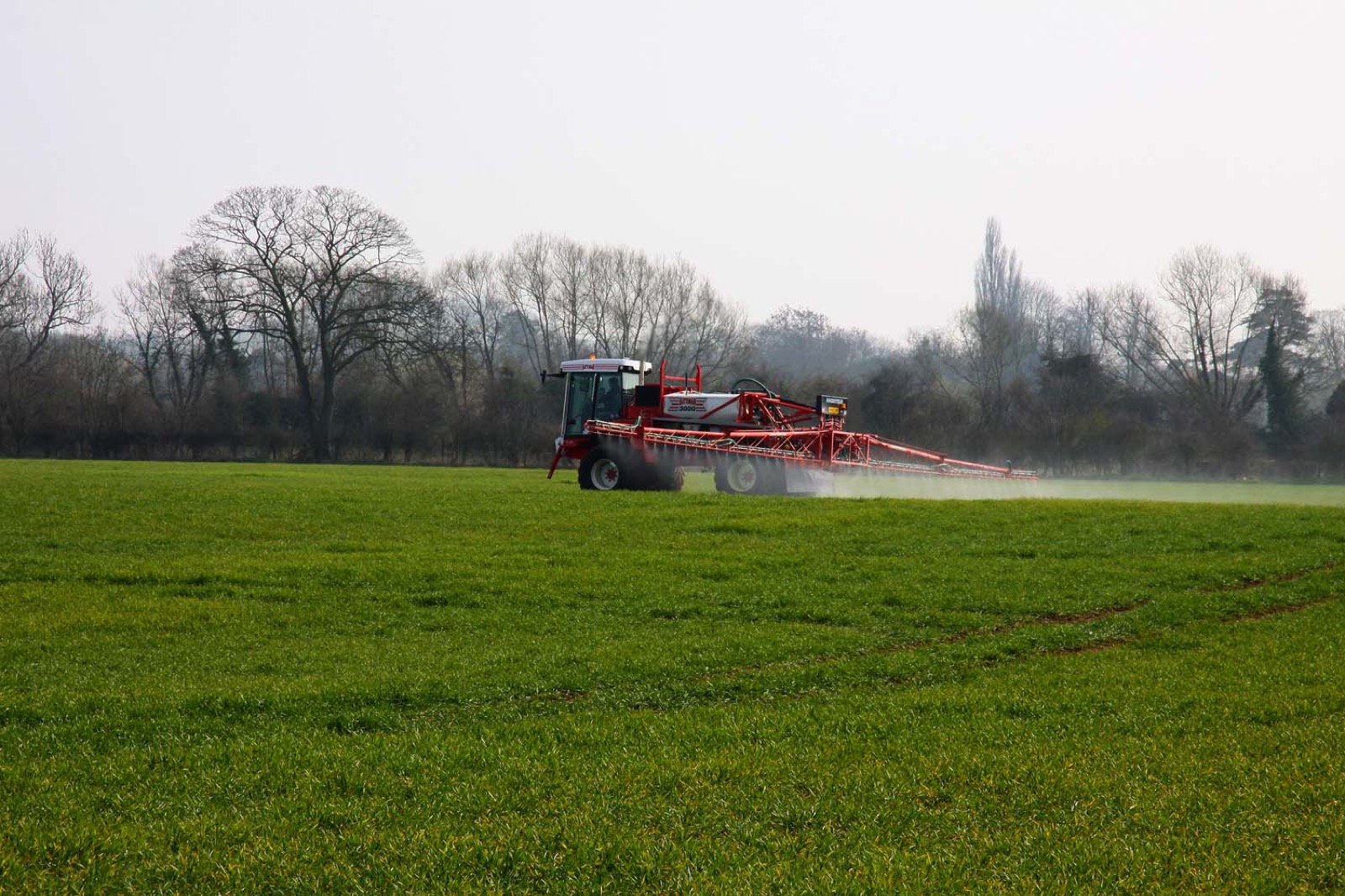
A boom sprayer working across an open field.
Steve Daniels / geograph.org.uk · CC BY-SA 2.0

Cameras that spray weeds, not soil

Blanket spraying douses bare ground and burns herbicide budget on every acre.

Arkansas Agricultural Experiment Station, Mar 10, 2025. An independent three-year field trial comparing camera-triggered spraying against blanket spraying.

How it works

Boom-mounted cameras read each patch of ground and fire a nozzle only where they see a weed, deciding in milliseconds at spraying speed.

The economics

Herbicide use fell 43–59% versus broadcast spraying, saving $30.49 per acre.

Who it’s for

Farm operations lead, Ag-equipment product owner, Precision-ag startup founder.

Transferable pattern

Apply an expensive input only where a camera confirms it is needed. The same pattern fits pest micro-dosing in orchards, targeted fertiliser, and paint or coating lines on the factory floor.

Players to watch
NameWhat they doHQStagePosition
John DeereSee & Spray, the incumbent at scaleMoline, IllinoisListedIncumbent
Bosch BASF Smart FarmingOne Smart Spray, the main challengerCologneListedChallenger
Carbon Roboticslaser weeding, no chemical at allSeattleScale-upSpecialist
Signals

Our research reads the structure under an innovation market: the economics, the technology, the ecosystem that connects them. .

New research, by email

Insights