Insights
Weekly digest · Week of Jul 27, 2026

Nobody discounted the flagship

OpenAI cut its cheapest model 80% and left the flagship alone, Kimi K3's free weights list at the market price, and fibre already under English streets found 100 water leaks.

Economics
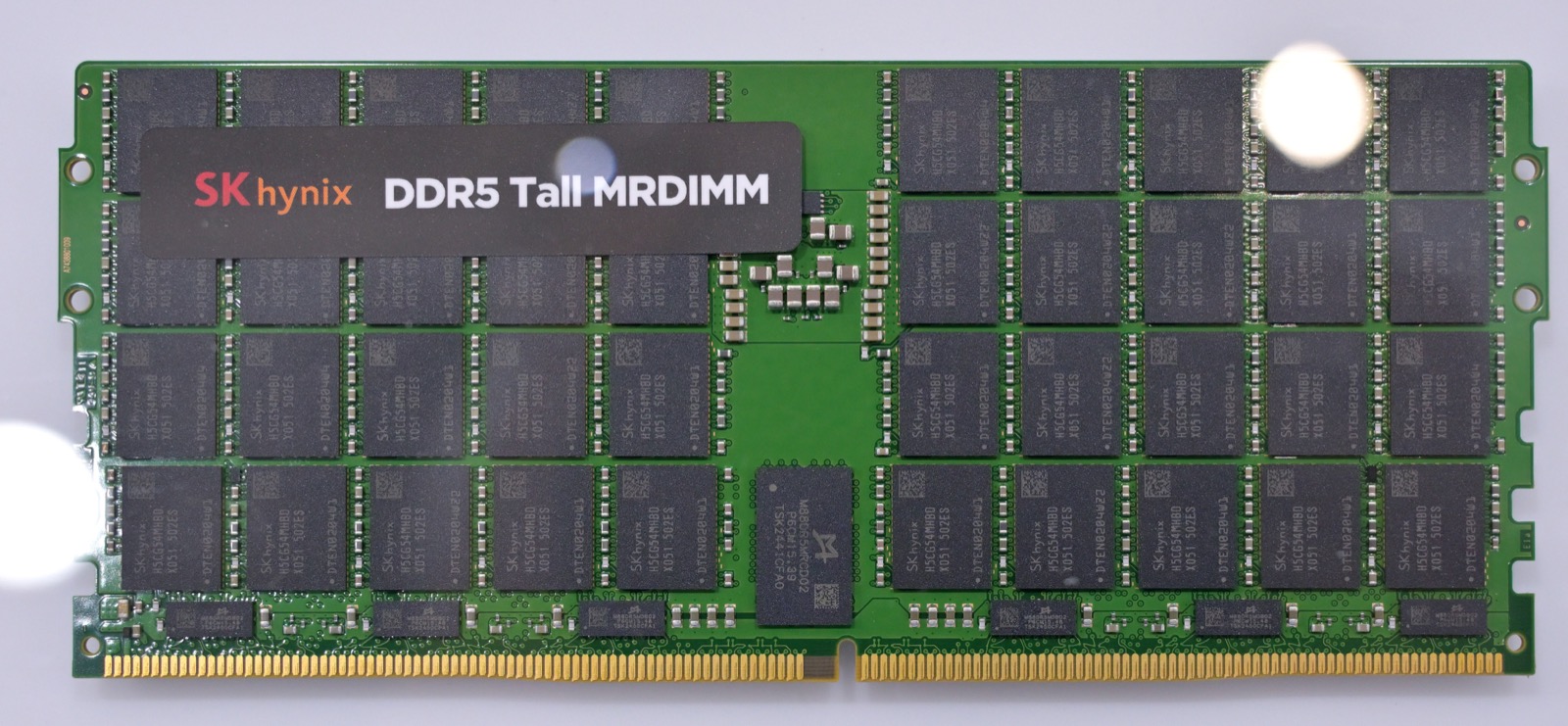
A DDR5 server memory module, the part whose rising price lifted Amazon's capital budget.
4300streetcar / Wikimedia Commons · CC BY 4.0

Free weights arrive at the market price

Seven providers are serving Kimi K3 on OpenRouter, and most charge $3 and $15 a million tokens. That is what Moonshot charges for the same model, whose weights it published as a free 1.56 terabyte download. The licence stays free until a model-as-a-service business passes $20 million in revenue, at which point Moonshot wants a separate agreement. Serving a 2.8 trillion parameter model costs what it costs, whoever owns the weights.

OpenAI moved on Thursday, and only at the bottom of its range. It cut GPT-5.6 Luna by 80%, to 20 cents and $1.20 a million tokens, took 20% off the mid tier, and left the flagship where it was. The discount lands only where a free model is already competing. The company said its strategy is to make each generation do more work at a lower cost.

Serving is where the money goes, and it is getting more expensive. Amazon raised its 2026 capital budget to $220 billion from $200 billion and named rising memory prices as the reason. Its cloud backlog, the work sold and not yet delivered, is $496 billion, and it says the higher budget still will not cover the demand it already has.

Metric move

All seven models in the token basket and all four neocloud GPU ranges came back unchanged from the 27 July snapshot; on the spot marketplace the H100 ceiling fell 28% to $3.07 an hour, the same rate as the H200 floor.
Spotlight
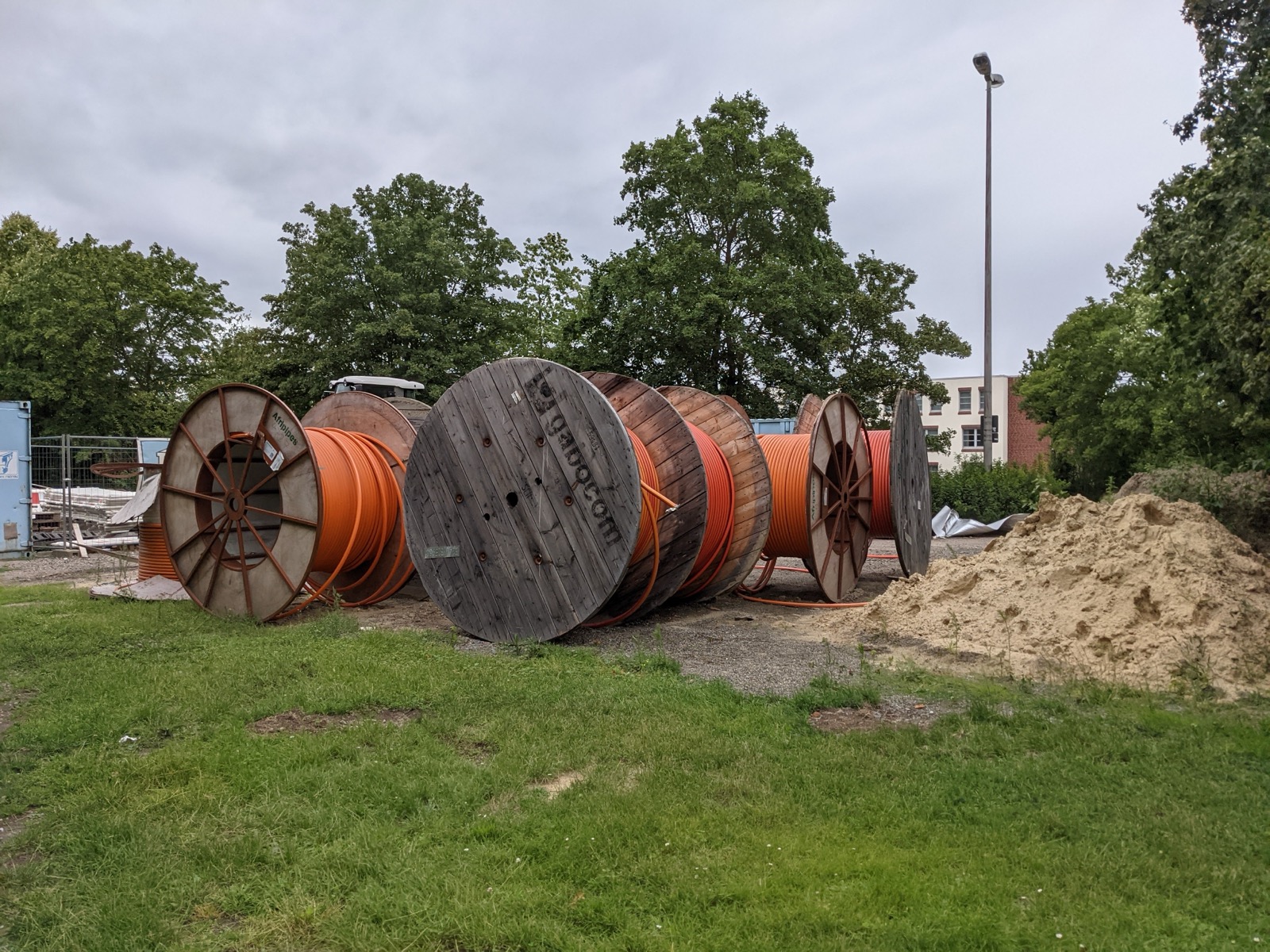
Cable drums of orange fibre conduit standing at a street works site.
Profpcde / Wikimedia Commons · CC0

Leaks found on a cable that was already there

Water networks run thousands of kilometres of buried pipe, and leaks go unfound until a survey team happens to reach them.

Openreach, Mar 12, 2026. An operator's own account of a three-month trial run with a water company and a Norwegian sensing startup.

How it works

Distributed acoustic sensing reads vibration off existing fibre, and machine learning separates a leak's signature from traffic and roadworks to place it within metres.

The economics

Openreach reports more than 100 leaks located in three months across 650 km of network, recovering 2 million litres a day, with no new sensors installed.

Who it’s for

Network operations lead, Asset manager, Field service manager, Sustainability lead.

Transferable pattern

An asset you already own becomes the sensor, so the marginal cost of coverage is software. The same pattern fits gas mains, rail track and building structures.

Players to watch
NameWhat they doHQStagePosition
Lightsonicfibre sensing platform behind the trialKristiansund, NorwayStartupChallenger
OpenreachUK fibre network doubling as a sensor gridLondonMaturePlatform
Affinity Watersupplier running the monitored networkHatfield, EnglandMatureAdopter
AP SensingGerman maker of distributed sensing hardwareBöblingen, GermanyMatureIncumbent
Signals
Insights