Insights
Weekly digest · Week of Aug 3, 2026

Compute is financed on contracts now

Hut 8 raised $7.5 billion of non-recourse project debt against two leased campuses and AMD agreed to buy an inference-chip startup. A Beijing metro trial moved inspection to the edge.

Economics
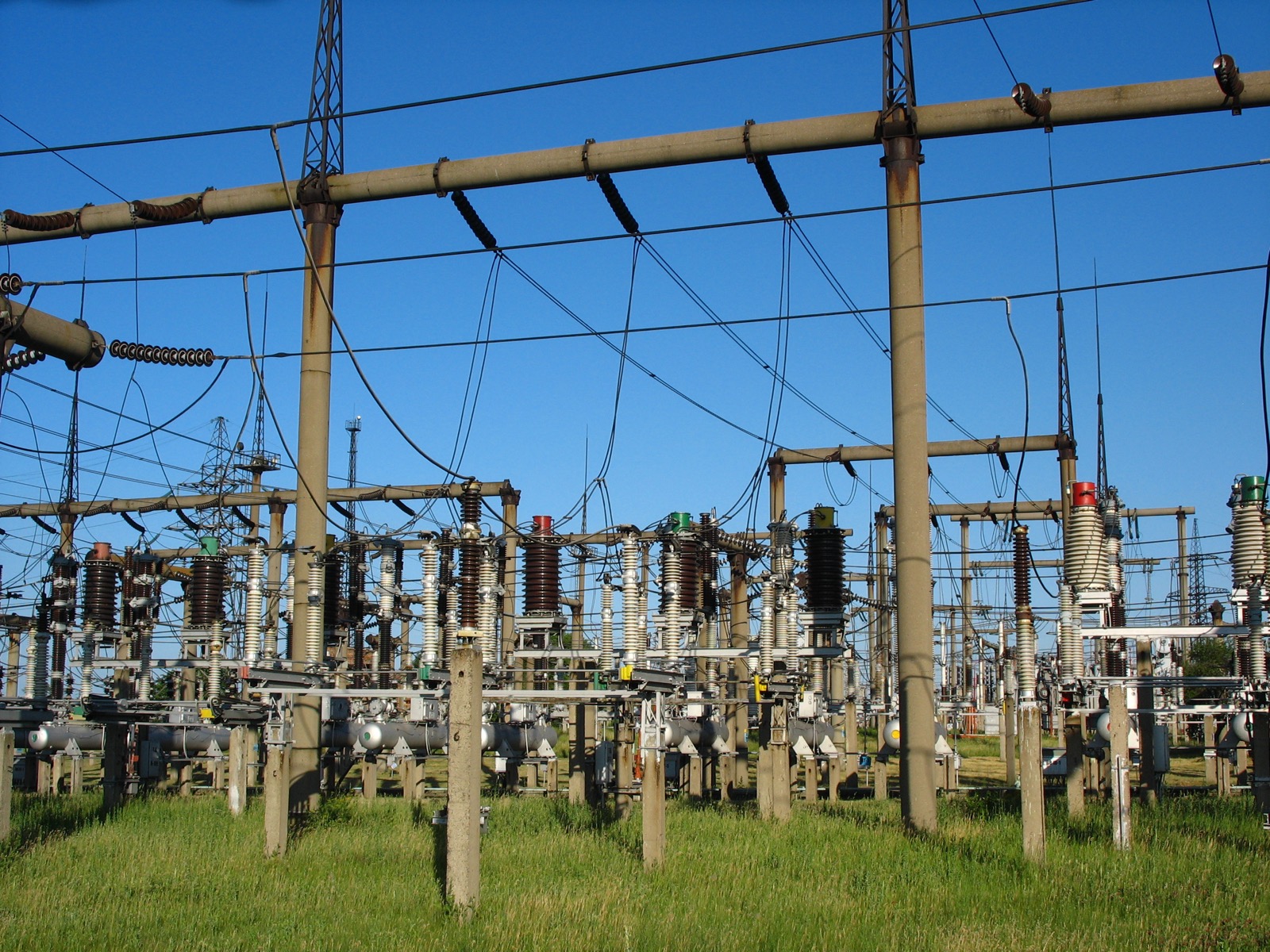
A high-voltage switchyard, the grid connection that turns a data center site into contracted capacity.
Novoklimov / Wikimedia Commons · CC0

The lease is the collateral

The lenders were not looking at the revenue. Hut 8 reported $74.9 million of revenue for the quarter and closed $7.5 billion of fully amortizing investment-grade project financing, non-dilutive and without recourse to the parent. Its two campuses now carry 949 MW of contracted IT capacity, approximately $26.6 billion of expected aggregate base-term contract value, and that total grew after the notes closed, when a second 352 MW IT lease was signed. What carries the debt is an investment-grade tenant's lease, not Hut 8's own business.

AMD is working the other end of the same trade. Data Center segment revenue was $6.7 billion, up 107% year-over-year, and the segment now represents 58% of company revenue. Two days later AMD agreed to acquire Taalas, whose co-founder describes the approach as building the hardware around the model. The bet is that the margin ends up in silicon built for one workload rather than any workload.

Our own snapshot runs the other way. The low end of our tracked H200 marketplace range fell 18% this week, to $2.53 an hour, while every neocloud list price and all seven token prices held. That low end is a tenth-percentile ask across 46 offers, not the cheapest machine on the market, and it sits well under the $4.39 a neocloud lists.

Metric move

The low end of the marketplace H200 range, a tenth-percentile ask, fell to $2.53 per GPU-hour from $3.07, while all four neocloud ranges and all seven token prices held.
Spotlight
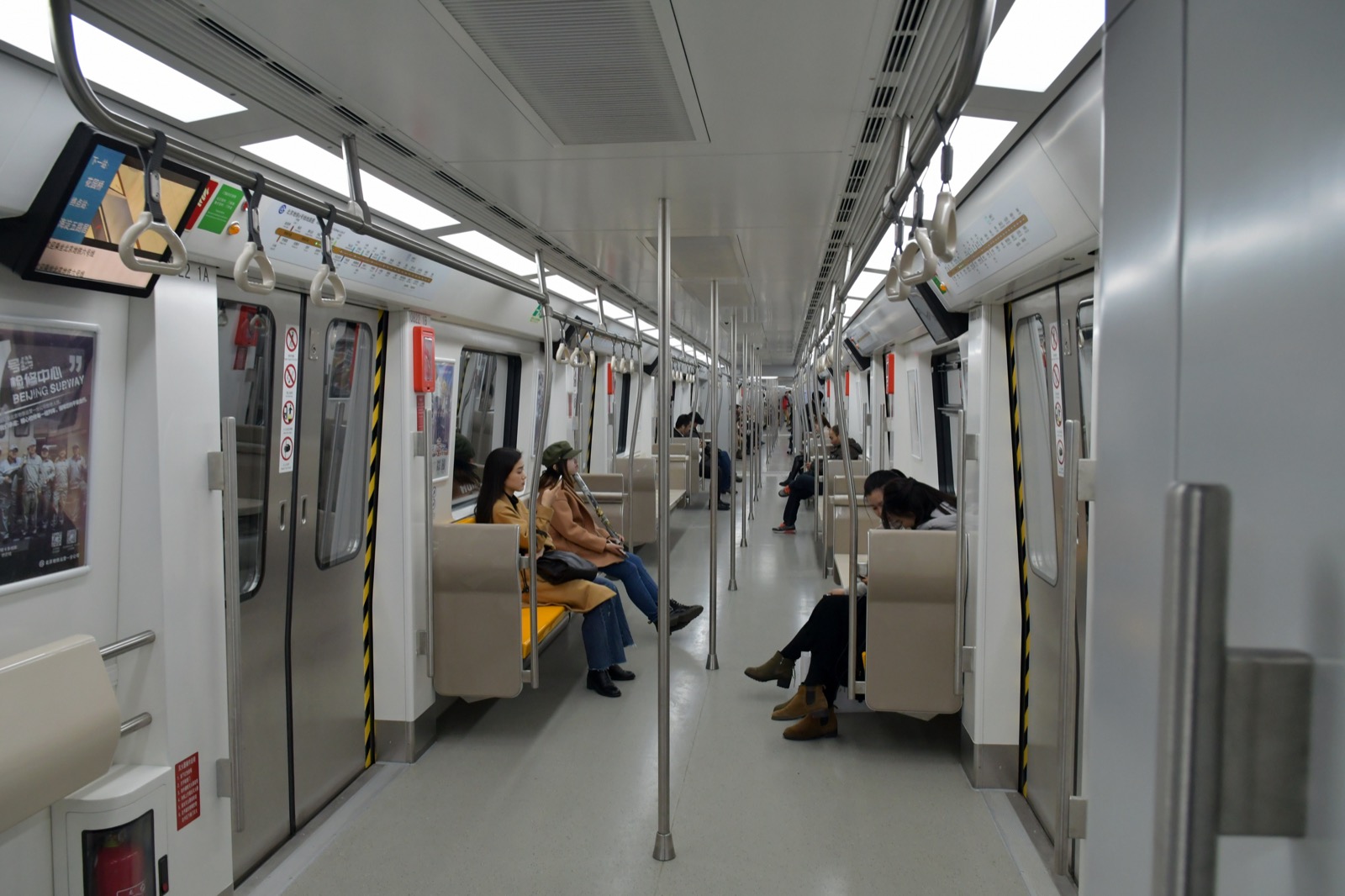
Inside a Beijing Subway Line 6 carriage, the line where the edge inspection system runs.
Tyg728 / Wikimedia Commons · CC BY-SA 4.0

The inspection that stopped streaming video

Metro equipment is checked by staff on foot, which is slow and inconsistent, and camera systems flood the network with video.

Sensors, Dec 30, 2025. A peer-reviewed engineering study by a state rail laboratory and a national railway research institute, pairing a two-station trial with modelled traffic.

How it works

An edge server at the station detects equipment and classifies status, uploading one image and a ten-second clip per event instead of streaming continuously.

The economics

Status classification measured 95.8% accurate. Modelled on five cameras and 270 events a day, uplink falls from 40.0 GB to 0.76 GB against continuous streaming.

Who it’s for

Maintenance manager, Operations lead, Infrastructure planner.

Transferable pattern

Inference at the edge turns a recurring bandwidth bill into a one-off hardware cost, and only exceptions travel. The same pattern fits factory lines, retail estates and remote energy sites.

Players to watch
NameWhat they doHQStagePosition
KONUXAI monitoring for rail switches and trackMunichScale-upChallenger
Siemens Mobilityrail systems arm selling signalling and inspectionMunichListedIncumbent
AlstomEuropean rolling stock and signalling supplierSaint-Ouen-sur-Seine, FranceListedIncumbent
NVIDIAJetson modules run the models at the stationSanta Clara, CaliforniaListedPlatform
Beijing Jiaotong Universitystate rail lab that built and ran the systemBeijingInstitutionSpecialist
Signals
Insights