Insights
Weekly digest · Week of Aug 10, 2026

Tokens cost more during office hours

DeepSeek halved its token price outside Chinese office hours, NVIDIA lined up $500 billion of outside capital for AI factories, and a drug-safety team's letters took 23% less time.

Economics
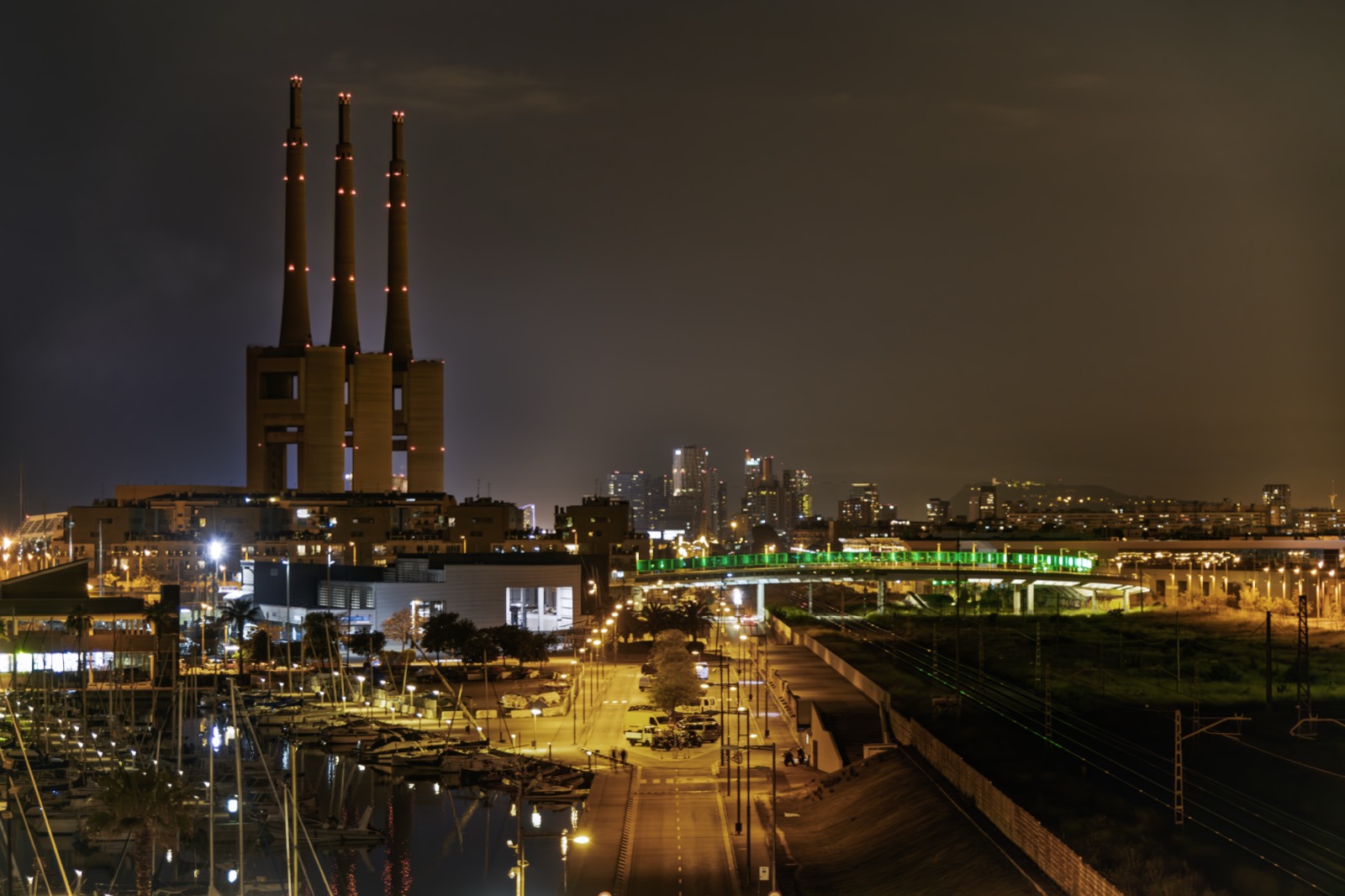
A power station lit above a marina at night, the trough that off-peak pricing is built to fill.
Didier Descouens / Wikimedia Commons · CC BY-SA 4.0

Selling the trough

A million output tokens from DeepSeek's largest model cost $3.96 during Chinese office hours and $1.98 outside them. The split arrived with DeepSeek-V4-Pro-0813, and the rule is published plainly: off-peak rates are half of the peak rates, and peak hours are 01:00 to 04:00 and 06:00 to 10:00 UTC. In Beijing that is nine to noon and two to six, with lunch discounted.

Utilities price this way. A serving fleet costs the same whether it is busy or idle, demand for it follows the working day, and the cheapest revenue a provider can find sits in the trough. A discount that exists only at night costs the seller almost nothing and halves the bill for any buyer whose work can wait. Evaluation runs, document backfills and overnight extraction all can.

Our own basket ran into the clock. The snapshot is taken on a Monday morning in Europe, inside the second peak window. Our token table records $1.32 and $3.96 for the model, the expensive half of a split price. The seven snapshots before it all read a flat $0.435 and $0.87. Part of that gap is a real repricing with the new model version and part of it is the hour we asked, and the hour a European team asks at is the expensive one.

Metric move

DeepSeek V4 Pro came back at $1.32 and $3.96 per million tokens against $0.435 and $0.87 in the seven previous snapshots, and the support-assistant floor rose to $383 a month from $113. The snapshot was taken at 09:37 UTC, inside a peak window.
Spotlight
Blister packs of tablets, the products whose adverse-event reports generate the follow-up letters.
Tarasna0922 / Wikimedia Commons · CC BY-SA 4.0

The letter that arrives half-written

Every adverse-event report that needs more detail requires a written follow-up letter, translated and adapted by hand for each recipient.

Journal of Medical Internet Research, Mar 10, 2025. A peer-reviewed cross-over study run over four months by Bayer's own drug-safety staff on an internal tool they already use.

How it works

An internal assistant drafts the letter from a template and the case data, translates the questions, and a safety officer edits before sending.

The economics

Time per case fell 23.3% (95% CI 13.8-32.8%) over 122 cases, worth about 10.7 working days a year. Reply rates from recipients did not change.

Who it’s for

Drug safety officer, Quality lead, Operations manager.

Transferable pattern

The gain landed on the slow cases: the range per letter narrowed from 9-38 minutes to 10-25. The same pattern fits claims correspondence, tender responses and support escalations.

Players to watch
NameWhat they doHQStagePosition
ArisGloballong-standing drug-safety case processing suiteWaltham, MassachusettsMatureIncumbent
Veeva Systemscloud safety system pushing into the same accountsPleasanton, CaliforniaListedChallenger
IQVIAruns drug-safety operations as an outsourced serviceDurham, North CarolinaListedPlatform
Uppsala Monitoring Centrekeeps the WHO global adverse-event databaseUppsalaInstitutionSpecialist
European Medicines Agencysets the EU reporting duty this work servesAmsterdamInstitutionSpecialist
Signals

Our research reads the structure under an innovation market: the economics, the technology, the ecosystem that connects them. .

New research, by email

Insights