Insights
Weekly digest · Week of Aug 24, 2026

NVIDIA memory, inside Amazon's own chip

NVIDIA's custom memory and interconnect are heading into Amazon's own accelerator, and a Hamburg container terminal cut straddle carrier travel 17% by predicting it.

Economics
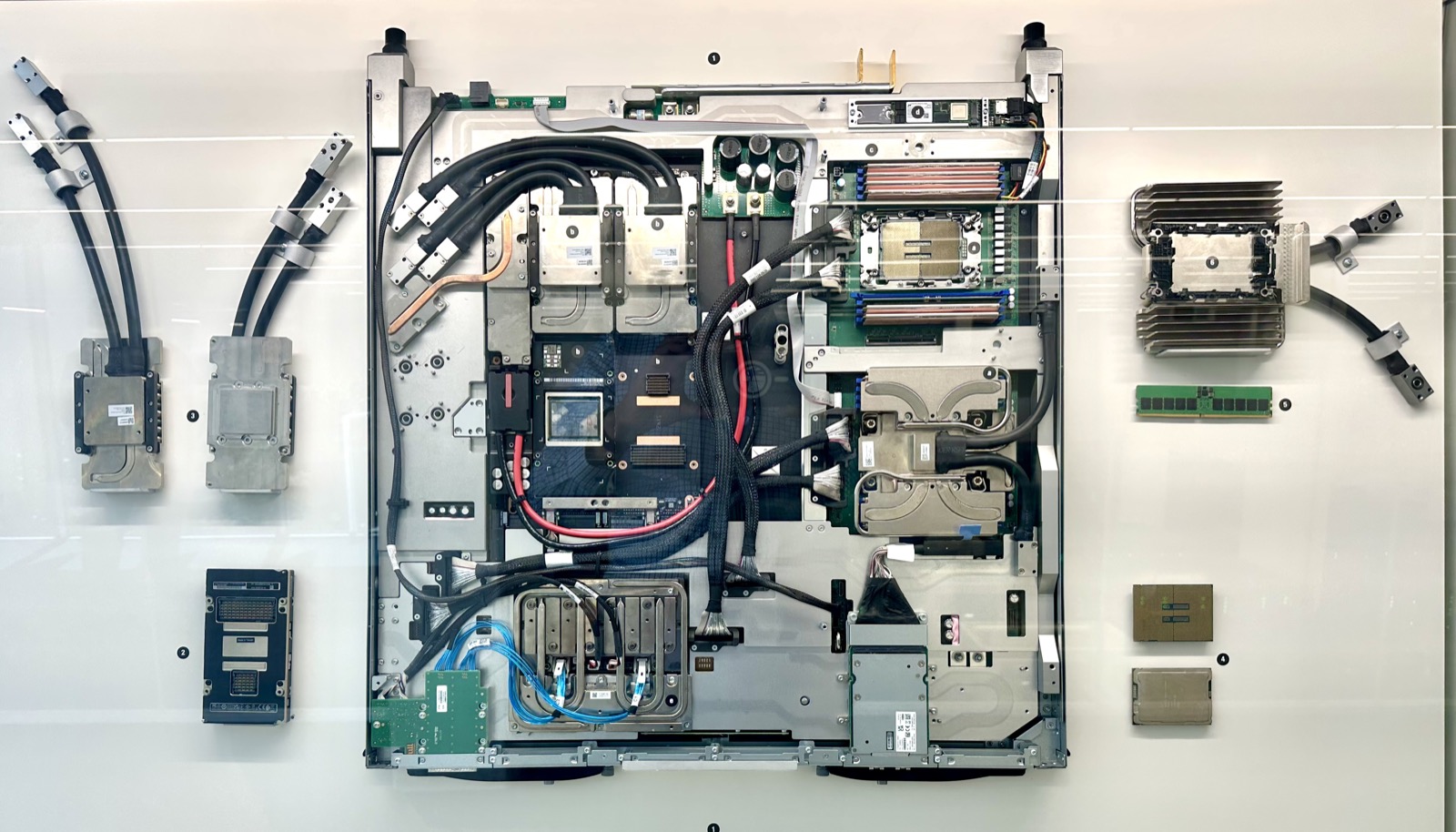
A liquid-cooled GPU blade laid out beside the cold plates, processors and memory it is assembled from.
Steve Jurvetson / Wikimedia Commons · CC BY 4.0

The bill of materials

Inside an AWS rack in 2028, Amazon's own accelerator will read from memory NVIDIA designed. NVIDIA and Amazon's Annapurna Labs are extending the NVLink Fusion interconnect to a new NVIDIA custom memory technology, which would give Trainium access to faster, more power-efficient memory. Trainium is the chip Amazon built so it would need fewer GPUs, and NVIDIA is now selling into it.

The quarter behind that agreement was the largest NVIDIA has reported, with Data Center revenue of $89.0 billion, up 117% from a year ago. The guide for the current quarter is $108.0 billion, and it assumes no Data Center compute revenue from China. The number everyone read in the agreement itself was the GPU count, 2 million additional NVIDIA GPUs across AWS's global infrastructure in 2027-2028.

For a buyer the effect shows up in the spread. When the accelerator, the interconnect, the memory and the CPU all come from one vendor, a rack quote stops being a set of competing bids. The rest of that agreement is a parts list: AWS is also taking NVIDIA Vera CPU-based infrastructure, alongside the silicon Amazon designed itself.

Metric move

The support-assistant floor went to $416 a month from $137, after the cheapest listed route for DeepSeek V4 Pro repriced to $1.60 and $3.20 a million tokens from $0.53 and $1.05. All four neocloud GPU ranges held for a third week.
Spotlight
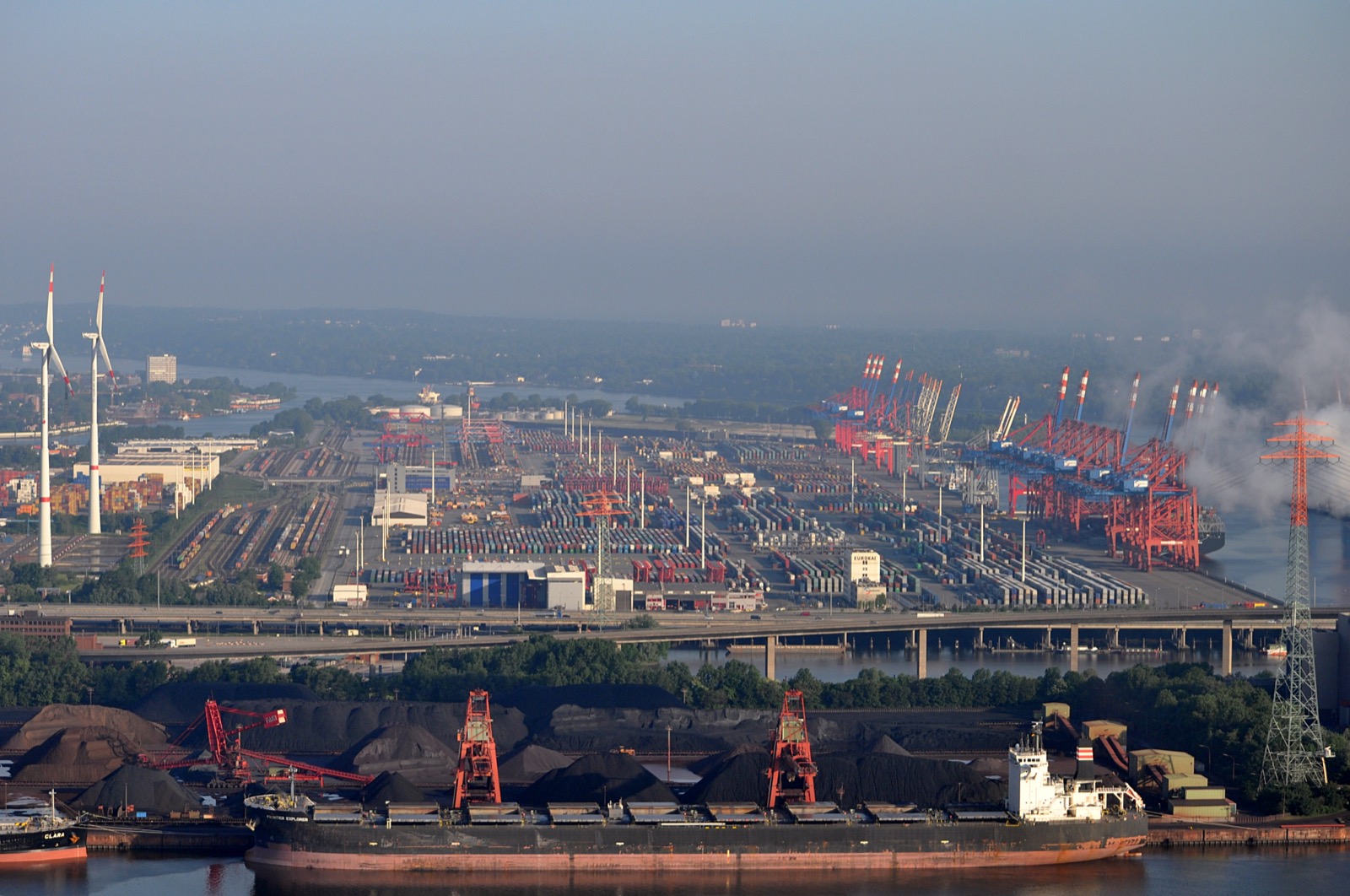
The EUROGATE container terminal at Hamburg-Waltershof from the air, stacks and quay cranes across the yard.
Ajepbah / Wikimedia Commons · CC BY-SA 3.0 DE

The terminal stopped guessing how long a move takes

The system dispatching a terminal's straddle carriers planned every empty leg on an estimate rather than on what the drive actually took.

International Transactions in Operational Research, Mar 23, 2026. A peer-reviewed operations research study, written by a university group working from a live container terminal's own vehicle telemetry.

How it works

Machine learning trained on the terminal's vehicle telemetry predicts each empty travel time, and routing heuristics assign the next job against that prediction.

The economics

Travel times fell 17% against the dispatching the terminal operating system does today. The study reports the travel time, not a fuel or euro figure.

Who it’s for

Terminal operations, Fleet planning, Data engineering.

Transferable pattern

The scheduler was already there; what changed is that it plans against a measured time instead of a distance. The same pattern fits depot fleets, field service and warehouse picking.

Players to watch
NameWhat they doHQStagePosition
EUROGATEOperates the Hamburg terminal in the studyBremenMatureAdopter
KalmarBuilds the straddle carriers terminals dispatchHelsinkiListedIncumbent
KalerisTerminal operating systems that issue the jobsAlpharetta, GeorgiaMaturePlatform
Awake.AIPort call prediction sold as a serviceTurkuStartupSpecialist
Signals

Our research reads the structure under an innovation market: the economics, the technology, the ecosystem that connects them. .

New research, by email

Insights