Insights
Weekly digest · Week of Sep 7, 2026

Oracle's customers are funding its AI backlog

Most of Oracle's AI contracts were prepaid or ran on customers' own hardware, Qualcomm paid Amazon in warrants, and AI triage cut radiologist workload 63.6% in a Spanish screening trial.

Economics
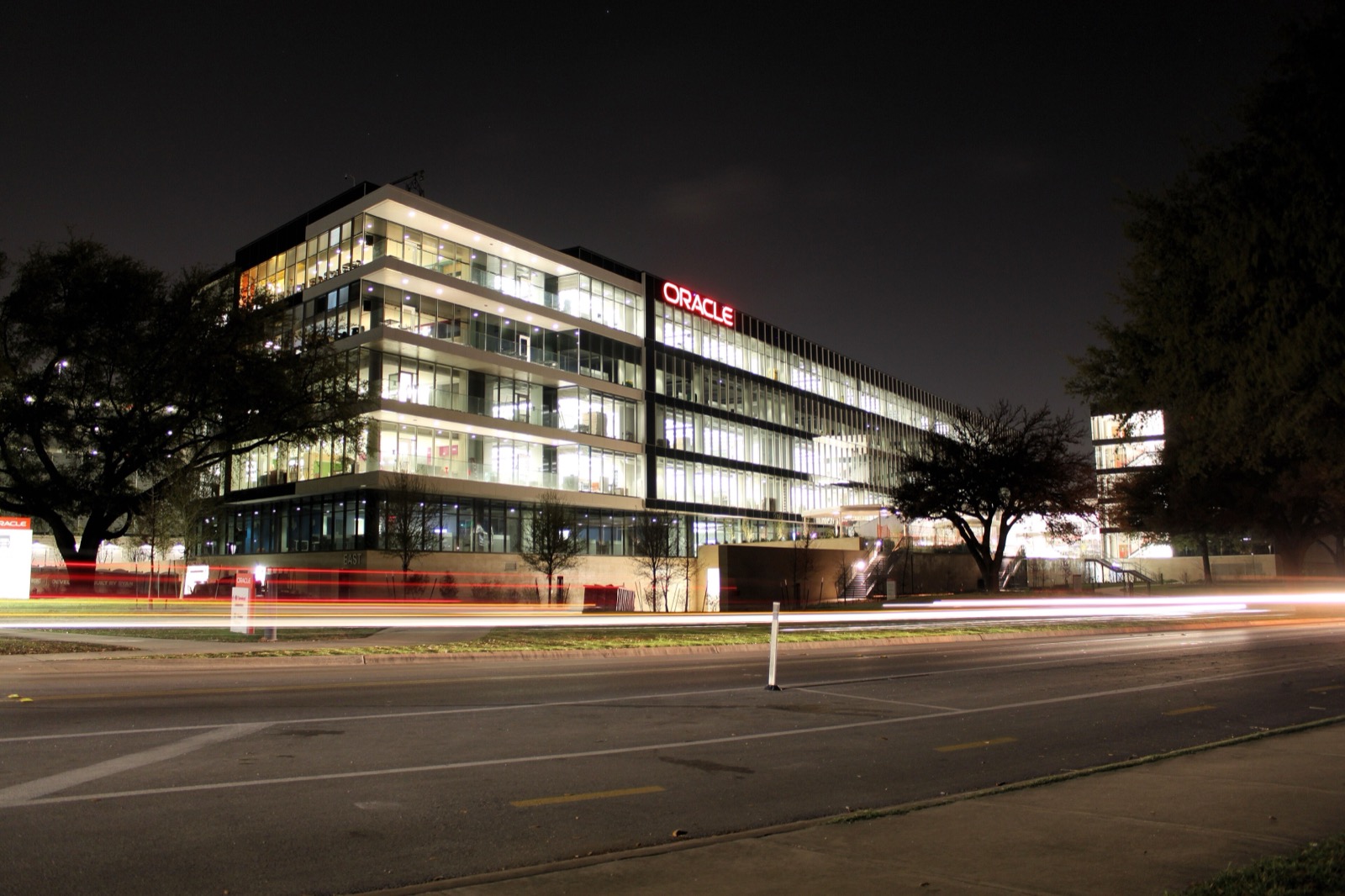
Oracle's Riverside campus in Austin at night, traffic streaking past the lit offices.
DronePhotographer / Wikimedia Commons · CC0

Who buys the servers

Customers put up much of the money for the AI capacity Oracle sold last quarter. Oracle booked more than $30 billion of additional AI cloud contracts in Q1, increasing its RPO to $664 billion, and finance chief Hilary Maxson said the vast majority came through prepayment, bring-your-own-hardware, or similar structures. The company says those contracts have no incremental impact on its plans to raise capital, and it sold $20 billion of common stock during the quarter.

A cloud provider normally buys the GPUs first and earns the cost back over years of rent. Prepayment moves that purchase onto the buyer's cash. Bring-your-own-hardware leaves the servers on the buyer's books, and the provider sells the space, power and operations around them. Much of Oracle's new backlog runs on its customers' money.

Qualcomm's server chip agreement with Amazon runs in the opposite direction. Amazon holds a warrant for up to 25,000,000 Qualcomm shares at $161.26 each, vesting as it places orders and makes purchases up to a maximum amount of $60 billion. Amazon is paid in Qualcomm stock for the orders it commits to. On issuance, 3,750,000 shares vested on Amazon's initial purchase commitments.

Metric move

The marketplace H200 low end fell to $1.98 a GPU-hour from $3.60, a tenth-percentile ask across 26 offers, while all four neocloud list ranges held for a fifth week. DeepSeek V4 Pro's cheapest listed route went back to $1.60 and $3.20 a million tokens, taking the support-assistant floor to $416 a month from $271.
Spotlight
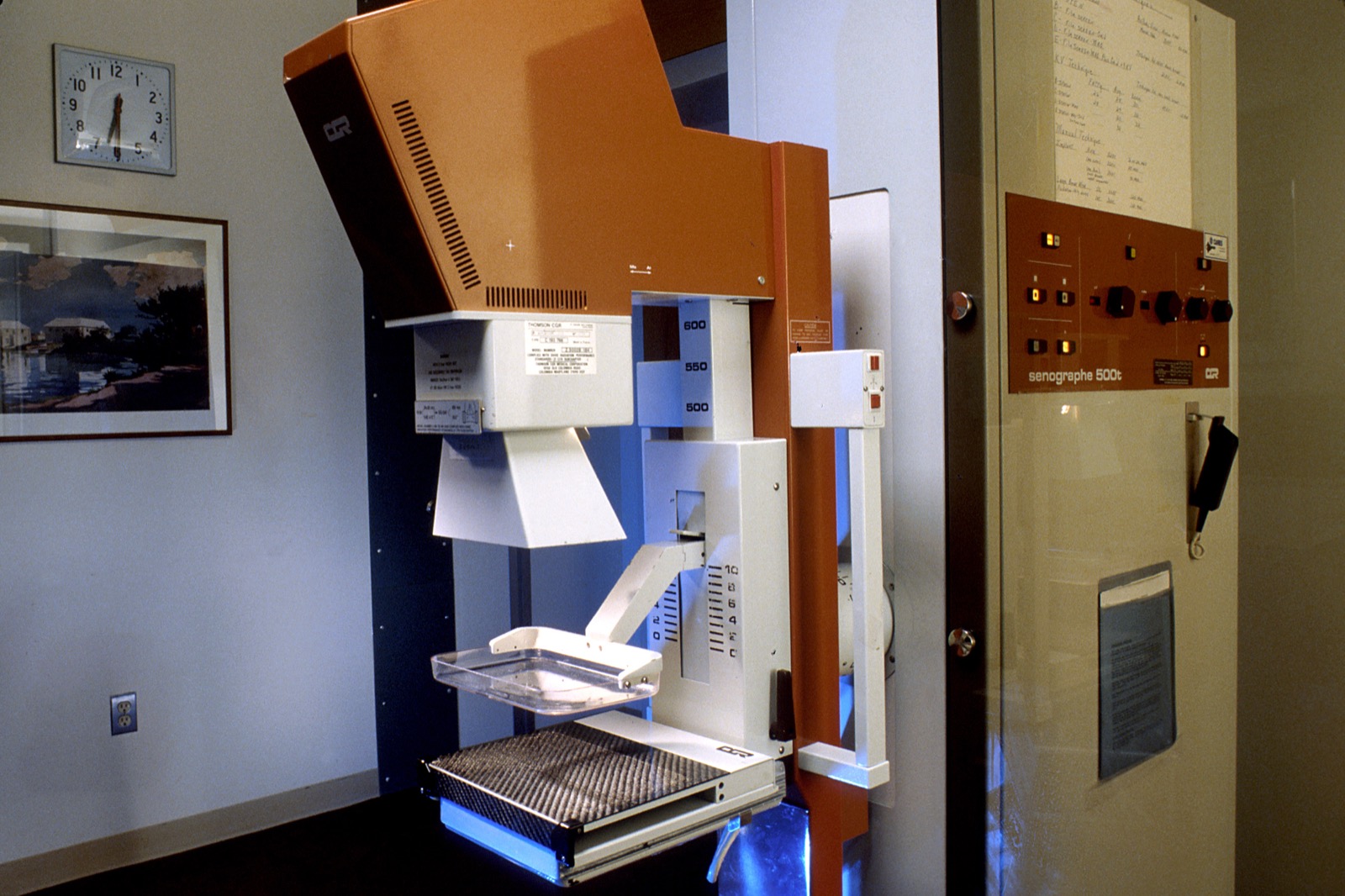
A mammography unit in a clinic exam room, the compression paddle and detector below the X-ray head.
Bill Branson, National Cancer Institute / Wikimedia Commons · Public domain

Low-risk mammograms cleared without a radiologist

Screening programmes double-read every mammogram, and the radiologists to do it are getting harder to find.

Nature Medicine (Elías-Cabot et al.), Mar 19, 2026. A prospective paired trial by radiologists at a Spanish public screening unit, reading every exam both ways on a commercial AI system.

How it works

Exams the AI scored 1 to 7 were classed normal without human reading; those scoring 8 to 10 went to two radiologists with AI support.

The economics

Radiologist workload fell 63.6%, or 39,834 fewer readings, and cancer detection rose 15.2%. Recalls rose 14.8% and missed the noninferiority margin. The trial reports readings, not a cost.

Who it’s for

Screening programme leads, Radiology operations, Clinical AI governance.

Transferable pattern

The AI sets the queue: confident negatives close without a read, and the scarce specialist sees the rest. The same pattern fits claims review, invoice audit and quality inspection.

Players to watch
NameWhat they doHQStagePosition
ScreenPoint MedicalMakes Transpara, the AI used in the trialNijmegenScale-upSpecialist
Hospital Universitario Reina SofíaCórdoba public hospital whose ethics board approved the trialCórdobaInstitutionAdopter
VaraScreening AI deployed in over half of Germany's programmeBerlinStartupChallenger
LunitMedical imaging AI company listed on KOSDAQSeoulListedChallenger
HologicBreast imaging systems the reads are taken onMarlborough, MassachusettsMatureIncumbent
Siemens HealthineersImaging incumbent, observer on ScreenPoint's boardErlangenListedIncumbent
Signals

Our research reads the structure under an innovation market: the economics, the technology, the ecosystem that connects them. .

New research, by email

Insights