Radar
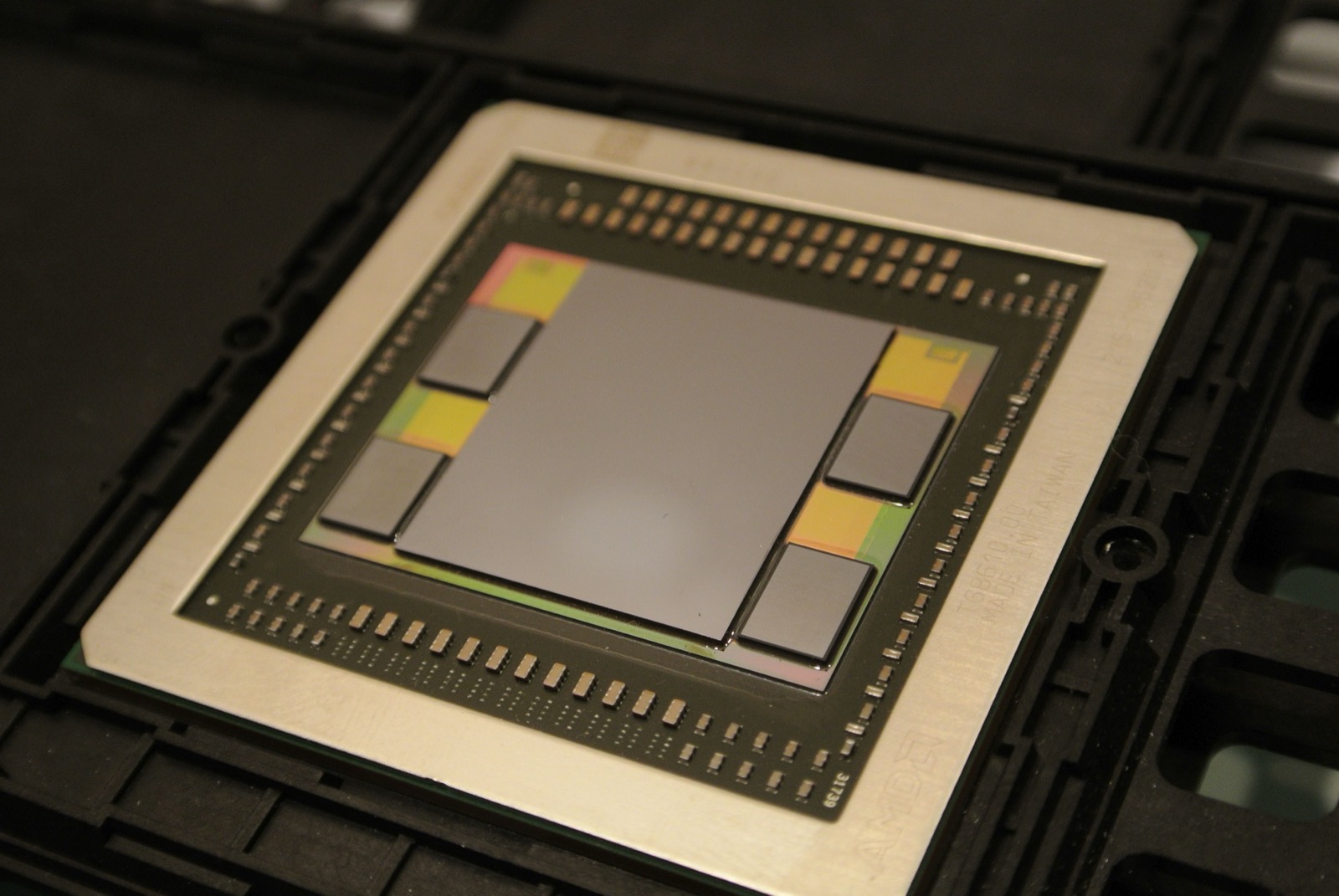
Close-up of a GPU package, the silicon that sets the price of a token.
C. Spille / pcgameshardware.de · CC BY-SA 4.0
Weekly digest · Week of Jun 22, 2026

The cheapest models of the year, locked in a preview

OpenAI shipped its cheapest tier ever and made it almost impossible to buy. When access is the binding constraint, the number on the pricing page is theatre.

Economics

OpenAI cut its own prices and took the discount away in the same breath. GPT-5.6 arrived as three models, Sol, Terra, and Luna, with Terra listed at roughly half of GPT-5.5 and Luna cheaper still. Then the whole family shipped as a preview gated to about twenty government-approved partners. The cheapest frontier tokens of the year, and almost nobody was allowed to spend on them.

The mechanic for a buyer is simple. A price cut you cannot take is not a price cut. When access is the binding constraint, the number on the pricing page is theatre, and the model that matters is the one you can actually run today. That is the case for keeping a self-hostable option in the mix: Mistral shipped OCR 4 the same week at $4 per thousand pages, running on your own hardware, where no committee decides whether you are cleared to use it.

The quiet counter-move was Anthropic's, which spent the week measuring how people already use the models they can buy, reporting that Claude now returns a concrete output in 93% of conversations. Cheap tokens you cannot reach do not move that number. Reachable ones do.

Metric move

GPT-5.6 Terra listed near half of GPT-5.5's price, then shipped locked to ~20 partners, so the cut was unspendable for everyone else.
Spotlight
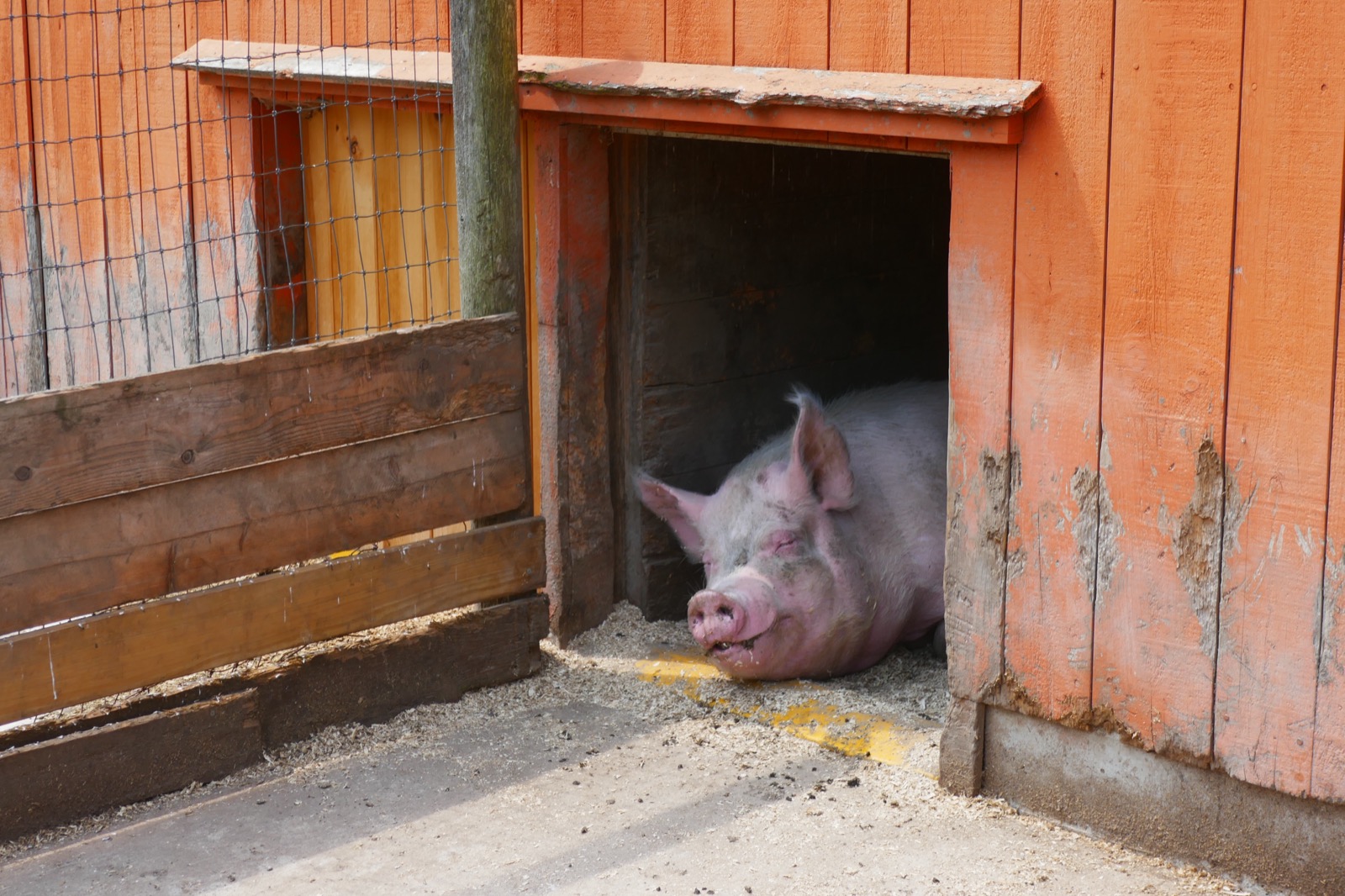
A pig in a farm enclosure.
NewtonCourt / Wikimedia Commons · CC BY-SA 4.0

Hearing disease before the barn shows it

Respiratory disease spreads through a barn for days before staff hear enough coughing to act.

How it works

Ceiling microphones listen continuously, an audio model counts coughs, and the barn gets a 0–100 respiratory-health score that moves before symptoms are visible.

The economics

A peer-reviewed review reports cross-farm cough-detection accuracy up to 95.7%, tracking swine flu and PRRSV against lab diagnostics. Per-barn cost not disclosed.

Transferable pattern

Detect a state change from sound before it is visible. The same pattern fits bearing and gearbox failure in rotating machinery, HVAC compressor faults, and leak detection in pressurised pipelines.

Who it’s for
  • Livestock production director
  • Farm-tech founder
  • Predictive-maintenance lead
Players to watch
  • SoundTalks Boehringer-owned, the deployed leader
  • AudioT acoustic flock monitoring for poultry
Signals
Radar