Radar
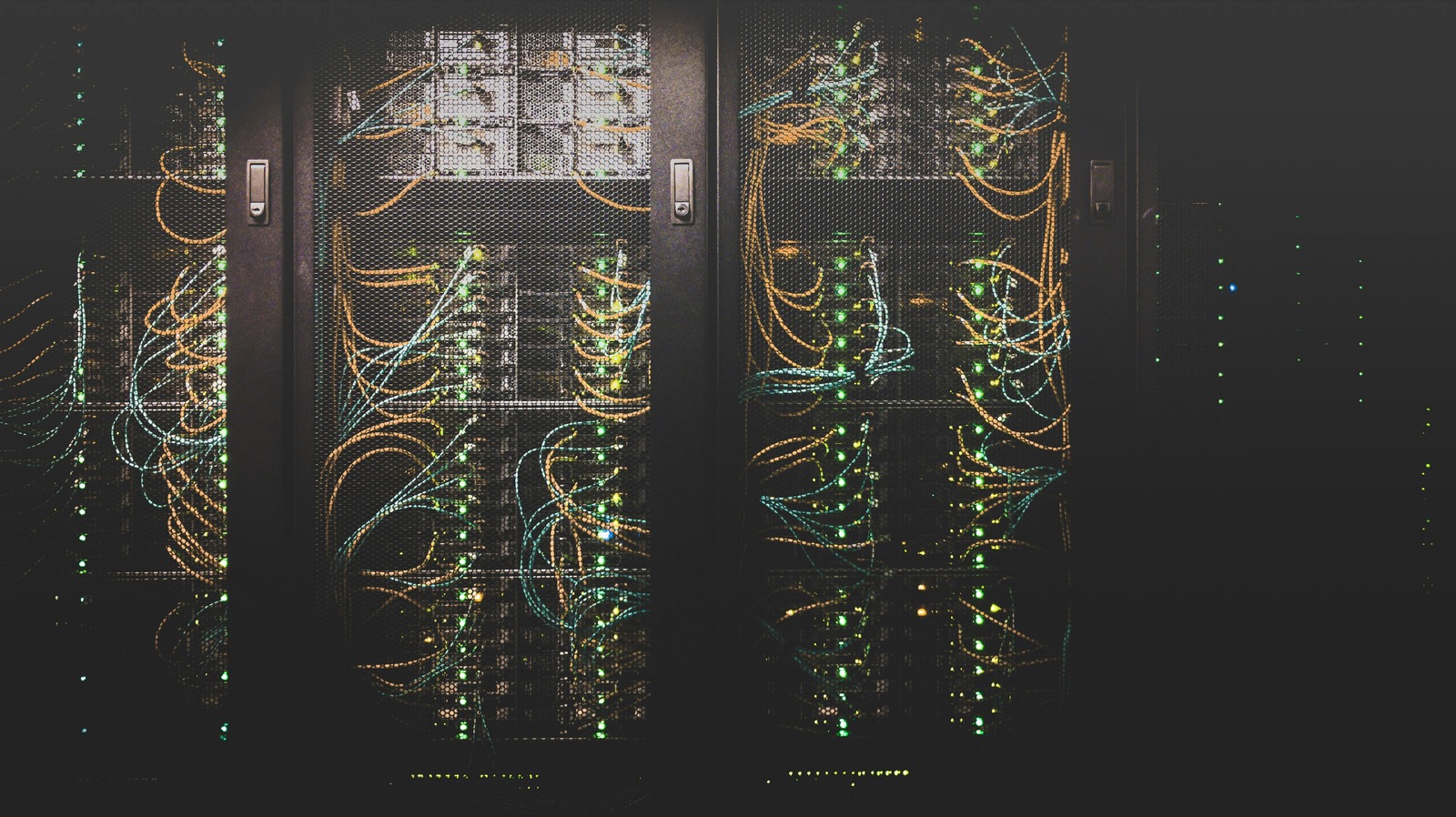
A data center's server racks laced with fiber, the compute that GPU rental prices ride on.
Taylor Vick / Unsplash
Weekly digest · Week of Jul 6, 2026

Renting a Blackwell got pricier. Running one might not.

AWS's reserved Blackwell sits far above marketplace spot, and this week the Vast.ai B200 asking range rose while last-generation Hopper eased. But hourly rent is not cost per token, and that gap is the real decision for a builder.

Economics

Ninety-eight dollars and eighty-four cents an hour. That is what Amazon charges to reserve a Capacity Block of eight B200s, about $12.36 per GPU-hour, and it says it moves that price on supply and demand. In our July 13 Vast.ai snapshot the B200 asking range rose to $7.25 to $9.92 an hour, up from about $5 a week earlier, while the upper end for last-generation H100 and H200 spot offers eased. Two GPU generations, moving apart.

It is tempting to read that as the shortage narrowing onto Blackwell. Be careful. These are asking-price ranges on one marketplace, and the snapshot merges board variants like H100 SXM and PCIe into a single range, so a move can reflect what is on offer rather than what is scarce. And hourly rent is not what a workload costs. A B200 rents for more than an H100 and can still produce a cheaper token, because throughput, batching, and memory fit decide cost per token, not the sticker on the hour.

So the honest read is narrow. Reserved rates are high across generations; one marketplace's Blackwell asks rose this week while its Hopper asks fell. For what to build on, the number that decides it is cost per token under comparable terms, not the hourly rate.

Metric move

In the July 13 Vast.ai snapshot, B200 asks rose to $7.25–$9.92/hr from about $5 a week earlier while H100 and H200 upper ranges eased; these are marketplace asking prices, not cost per token.
Spotlight
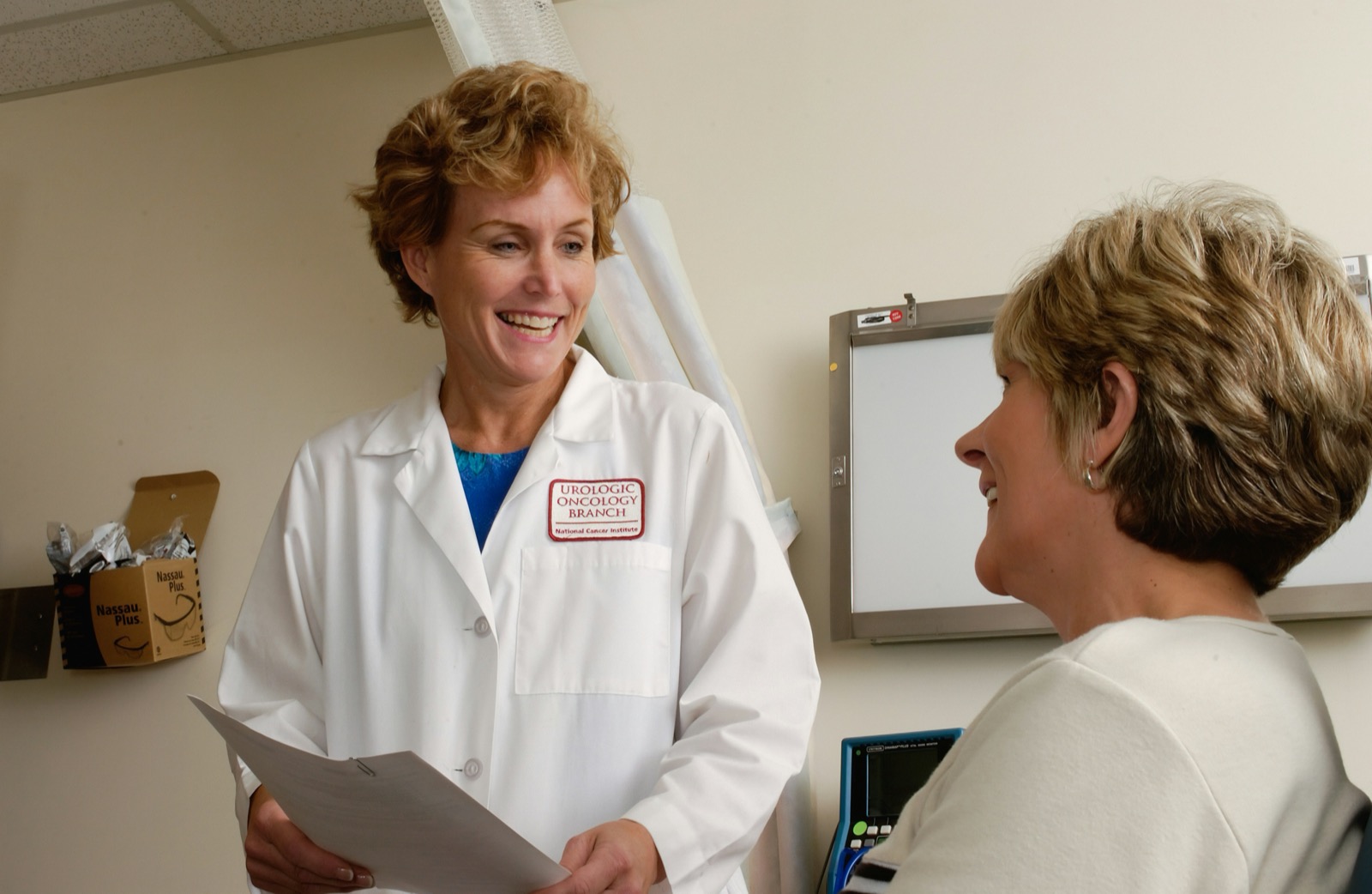
A clinician in scrubs holding a laptop during a consultation.
National Cancer Institute / Unsplash

Letting the doctor look at the patient again

Clinicians burn hours a day typing visit notes into the record instead of facing the patient.

How it works

A microphone captures the visit, a language model drafts the structured clinical note in the clinician's own format, and the clinician edits and signs rather than writing from scratch.

The economics

A JAMA study of 8,581 clinicians across five academic medical centers (Rotenstein et al., 2026) found adopters spent 13.4 fewer minutes in the record and 16 fewer minutes documenting per 8-hour clinical day, and saw one extra patient every two weeks. Effects were modest, and only 1,809 of the 8,581 took the tool up.

Transferable pattern

Turn a spoken interaction into a structured, editable record. The same capture, draft, and approve loop fits insurance claim intake, field-service reports, and legal client interviews, anywhere writing the record steals time from doing the work.

Who it’s for
  • Clinical operations lead
  • Health-system CIO
  • Healthtech founder
  • Automation lead
Players to watch
  • Abridge clinical conversation intelligence at health-system scale
  • Ambience Healthcare documentation joined to coding and clinical workflows
  • Microsoft Dragon Copilot ambient documentation inside established clinical systems (ex-Nuance DAX)
  • Nabla ambient documentation with broad EHR and Epic integration
  • Suki ambient clinical intelligence across major EHR systems
  • Heidi Health clinician-controlled ambient documentation with international reach
  • Tortus UK ambient documentation deployed across the NHS
  • Corti European clinical-AI APIs for documentation and coding
Signals
Jul 7

Anthropic cannot keep Fable 5 free

Fable 5's included plan usage moved to metered credits at $10/$50 per million tokens, the highest-priced current Claude, with free access repeatedly extended (now to July 19) until Anthropic secures compute capacity.

Radar