Radar
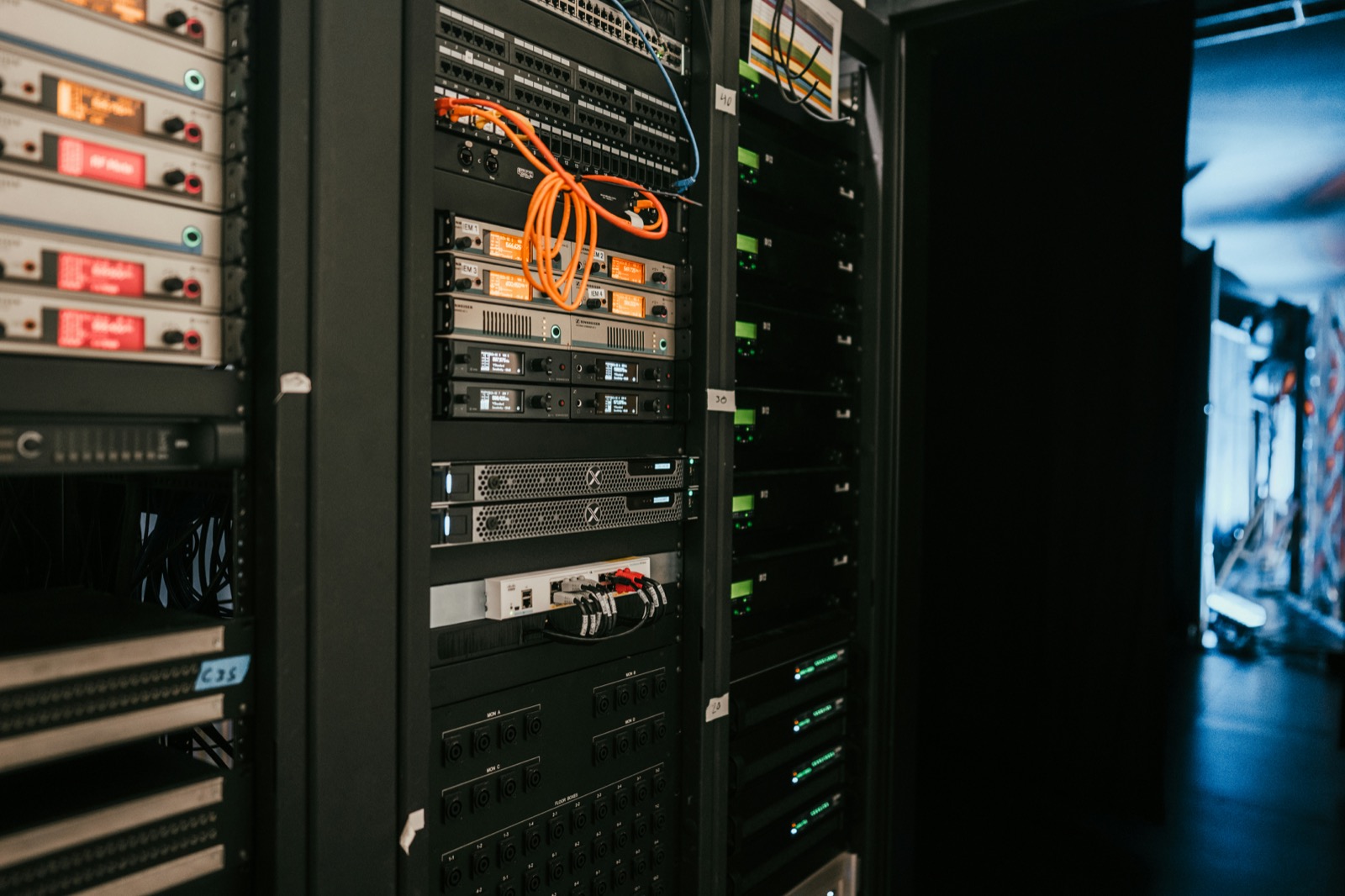
A rack of servers in a data hall, the scarce asset that now sets the floor under model prices.
Kevin Ache / Unsplash
Weekly digest · Week of Jul 13, 2026

The cheap end of the market raised its prices

Moonshot priced its largest model at Anthropic's Sonnet level, and our own Qwen quote rose 18% in a week while every neocloud list price held flat. When the machine is scarcer than the weights, open models stop being the floor.

Economics

Three dollars and fifteen dollars. That is what Moonshot is charging for Kimi K3, its 2.8-trillion-parameter model, and it is the same shelf as Anthropic's Sonnet series. No Chinese lab has ever asked that much. Moonshot's own K2.6 went out at $0.95 and $4, and the weights for K3 are promised to the public by July 27.

Our token basket moved the same way, more quietly. Qwen3.7 Max came back at $1.475 in and $4.425 out per million, up 18% in a week, while every neocloud list price in the snapshot held exactly where it was. The cheap end of the market is repricing. The expensive end is standing still.

The reason sits on the supply side. Weights keep getting easier to obtain and compute does not. Anthropic spent the week in early talks to lease roughly $10 billion of capacity from Meta, and a lender wrote a $400 million loan against inference silicon as collateral, which is what financing looks like when the scarce asset is the machine rather than the model. An open-weight lab renting the same GPUs ends up charging like everyone else renting them.

Whether K3 holds that price once anyone can download it on July 27 is the bet worth watching.

Metric move

Qwen3.7 Max rose to $1.475/$4.425 per million tokens from $1.25/$3.75 a week earlier, an 18% increase, while all four neocloud GPU ranges in the snapshot were unchanged.
Spotlight
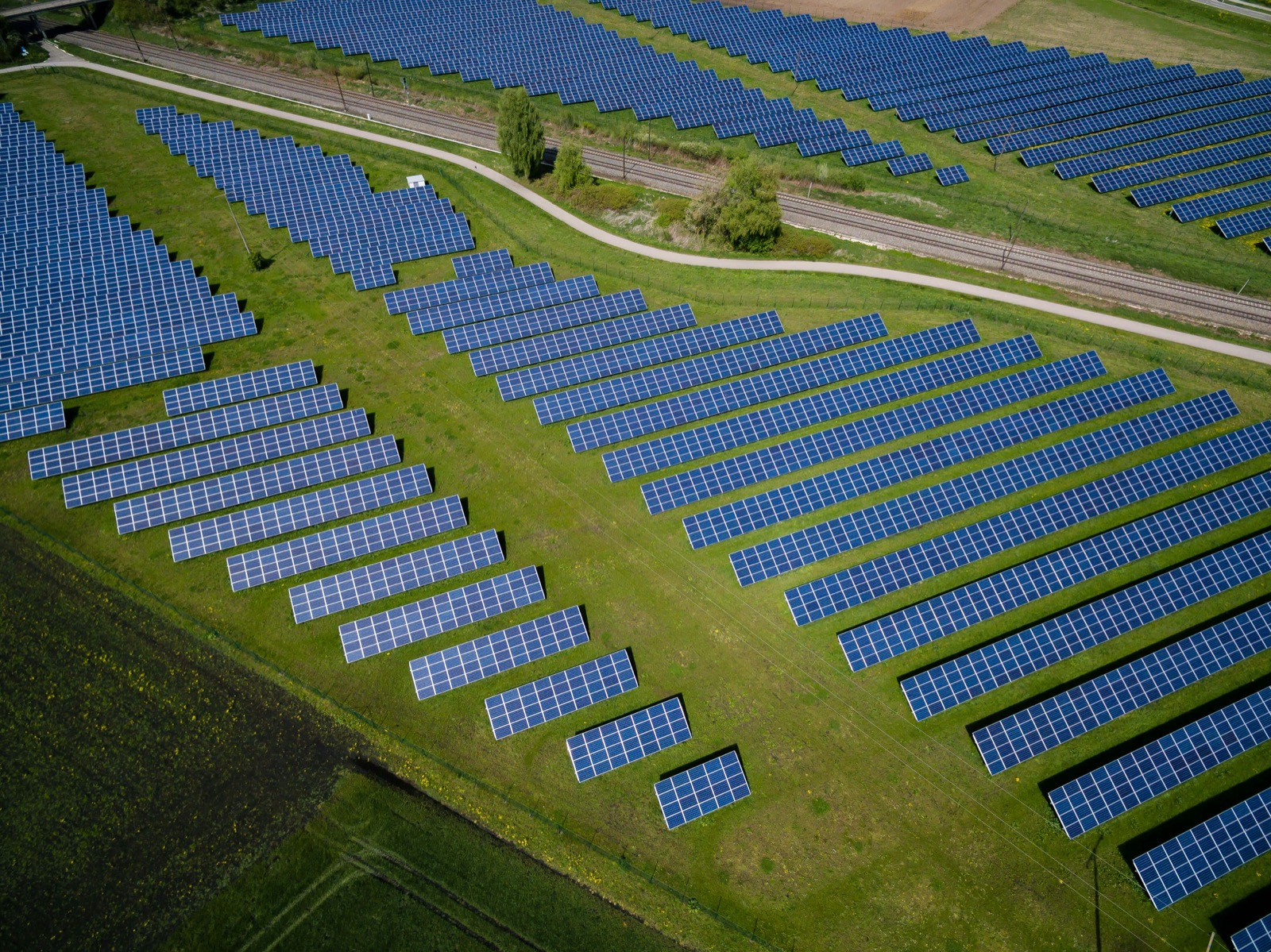
Aerial view of a solar array laid out across farmland.
Andreas Gücklhorn / Unsplash

The buffer you stop paying for

A grid operator that cannot predict solar output has to buy expensive last-minute backup to cover the error, and the cost lands in consumer bills.

How it works

A model combines live satellite imagery, weather data and historical PV output to forecast national solar generation days ahead, then refines the forecast minute by minute for the control room.

The economicsClaimed

Open Climate Fix says Quartz Solar is 2.8 times more accurate than NESO's previous solar forecasting tools, avoiding an estimated £30m of imbalance costs and around 300,000 tonnes of CO₂ a year.

Transferable pattern

The return on a forecast is not the forecast, it is the buffer you stop buying to cover being wrong. The same arithmetic applies to safety stock, standby staffing, overtime cover, spare vehicles and overbooking: price the buffer first, then work out what a better prediction is worth.

Who it’s for
  • Operations lead
  • Head of planning
  • Trading desk
  • Data lead
Players to watch
  • Open Climate Fix open-source solar nowcasting, live in NESO's control room
  • NESO GB system operator, the adopting counterparty here
  • Solcast satellite-derived irradiance and PV forecast API
  • Amperon machine-learning load and price forecasts for power traders
  • Camus Energy grid orchestration and distributed-resource forecasting for utilities
  • Gridmatic forecast-driven power trading and clean-energy supply
  • ENFOR Danish wind, solar and heat-load forecasting specialist
  • Utilidata distributed inference running on grid-edge meter silicon
  • Modo Energy benchmarking data for battery and flexible grid assets
Signals
Jul 16

Japan funds a 140MW national AI factory

NVIDIA and Noetra will build a 13,750-CPU, 27,500-GPU Vera Rubin site delivering 140MW under Japan's METI-backed FRONTia project, with the resulting multimodal weights made broadly available to domestic firms — state capital buying both capacity and open models.

Radar